Smart Ring for Health Tracking? Oura, Galaxy, RingConn Won't Coach You
What Oura, Galaxy Ring and RingConn track, where each one falls short, how to size one, and what Oura and the Galaxy Ring cost over three years.
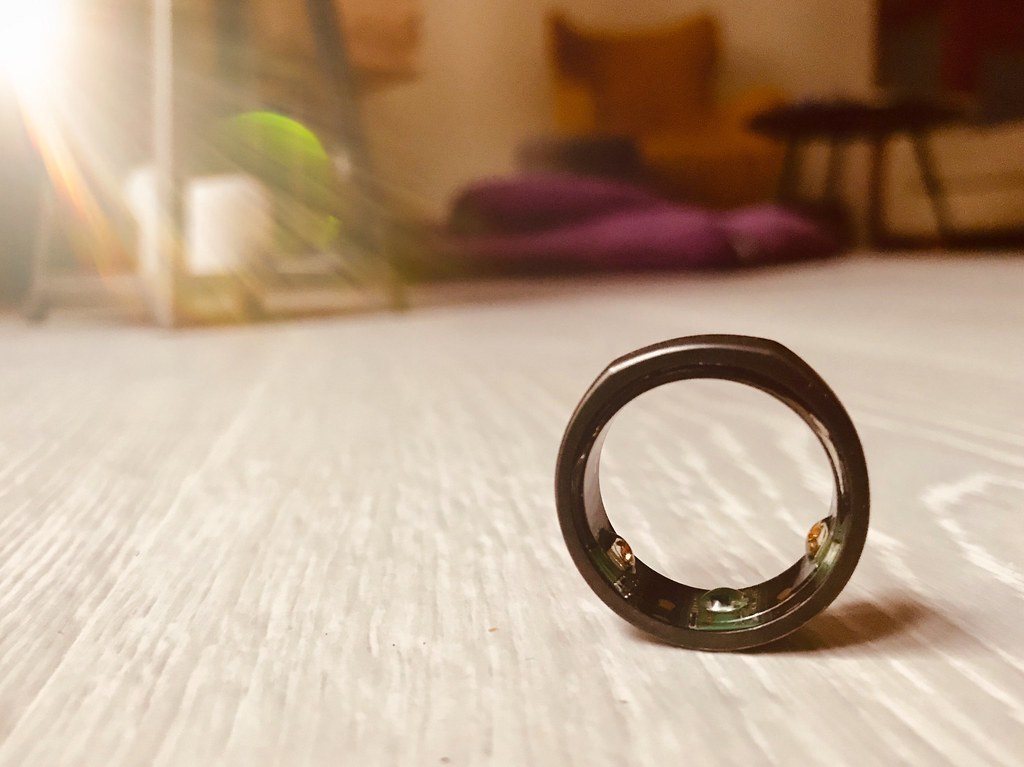
A smart ring for health tracking is a sleep-and-activity tracker, not a workout coach. It can show you how you slept and how much you moved, but it won’t tell you what to do in your next workout. Below you get what Oura, Galaxy Ring and RingConn each measure, where each one falls short, how to size one, and what Oura and the Galaxy Ring cost over three years, plan included.
Here’s what to buy. If you own a Samsung Galaxy phone and have something to trade in, the Galaxy Ring comes to $149.99 after Samsung’s trade-in credit. Everyone else should start with RingConn’s Gen 2 rings, which need no ongoing subscription, per Wareable. Pick Oura if its 50-plus metrics are worth $5.99 a month to you. The math, the sizing steps and a seven-point checklist follow.
Before you start: this page covers gear, not medical care. If you have a medical condition or an injury, talk to a doctor before you begin any new activity routine. If you have symptoms, see a doctor. Don’t rely on ring data for that.
Oura lists 50+ health metrics; RingConn tracks sleep, activity, stress and recovery all day
Each maker describes its ring in its own words. Oura’s homepage (read October 2026) says you can “Track over 50 health metrics.” It also calls the product “the world’s smallest smart ring.” That is Oura’s own claim, not an independent measurement.
RingConn’s homepage (read October 2026) promises to “Monitor sleep, activity, stress, and recovery — all day, every day.”
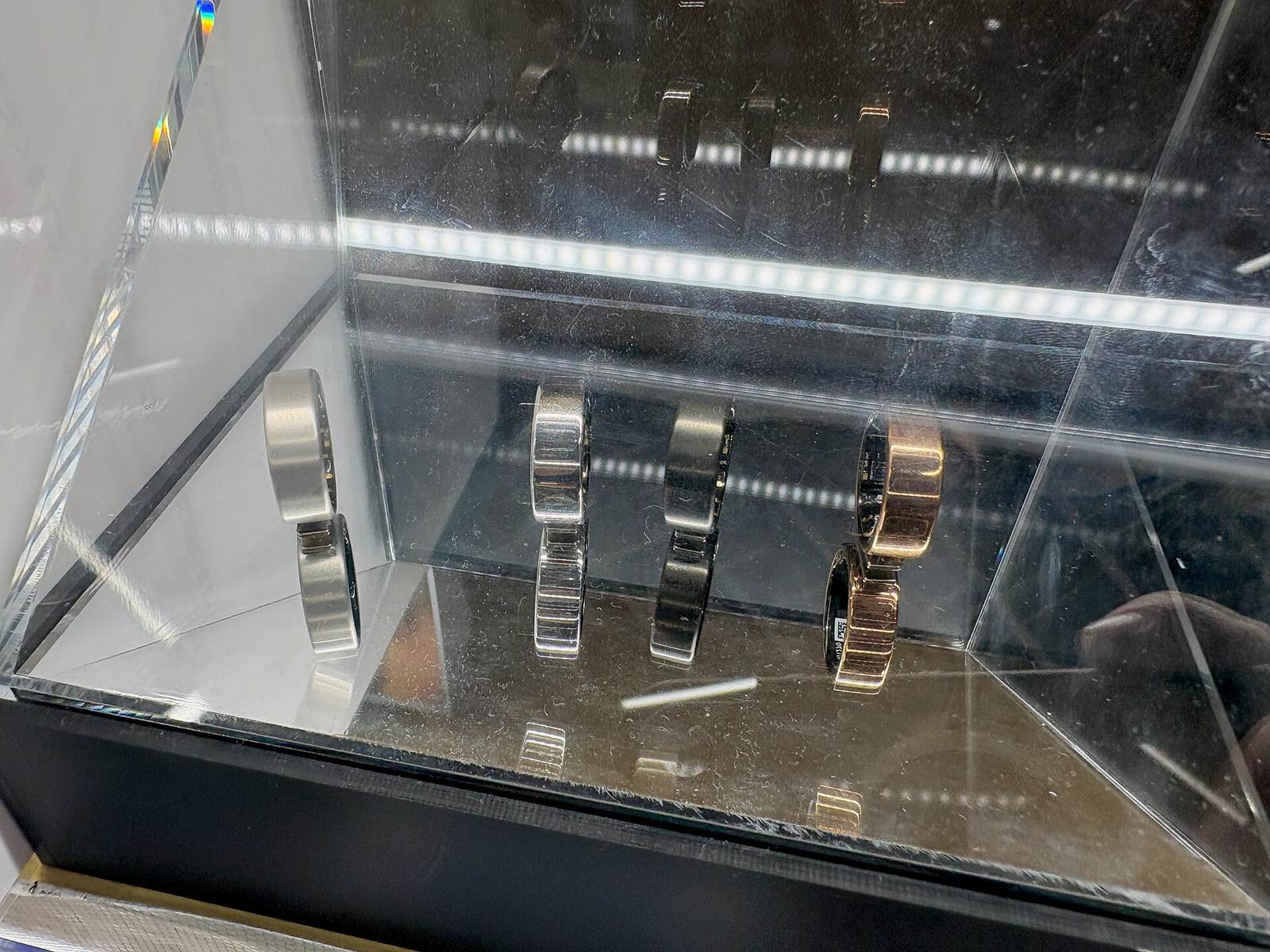
Samsung’s US Galaxy Ring page (read October 2026) lists a durable titanium frame. The same page has a catch: you need “a Samsung account… registered on your Samsung Galaxy smartphone.” iPhone or non-Galaxy owners: skip the Galaxy Ring and look at RingConn or Oura.
One more number needs context. Oura’s homepage says “86% of Oura Members see their health improve.” Its footnote traces that figure to a 2026 survey of 3,501 Oura members after 30 days. The members reported it themselves, and the company that ran the survey sells the ring. Read it as marketing, not proof.
Rings fall short on workouts, ECG, screens and tap-to-pay
This is the full list of gaps. Later sections refer back to it.
- Workouts. Wareable’s 2026 smart ring guide (read October 2026) says rings typically struggle with workout tracking.
- Advanced health checks. Wareable notes that “very few offer advanced health features like ECG or blood pressure monitoring.” An ECG is a heart-rhythm reading, which some watches can take.
- No screen, no NFC. NFC is the chip behind tap-to-pay. With no display and no NFC, rings “feel less practical than a smartwatch,” per Wareable.
Who should skip a ring entirely: anyone who wants to glance at their pace mid-run, pay from their wrist or take an ECG. A smartwatch fits that buyer better.
Wear the plastic sizing ring for a day or two before you pay
Most smart rings come with a sizing kit that includes a plastic version of the ring, according to Wareable. Wear it for a day or two before you order. You want a snug fit “that doesn’t twist,” because the sensors need that steady contact to give accurate data.
Next, choose the finger. Wareable says rings are generally meant for the index finger, but any finger can be used. Size the finger you’ll actually wear it on.
On the Galaxy Ring, Samsung’s page says it has added two new sizes. Check the full size list against your sizing-kit result.
RingConn unveiled Gen 3 at CES 2026, so check which model you’re buying
RingConn’s homepage shows the Gen 3, “unveiled at CES 2026.” Wareable’s no-subscription note covers the Gen 2 and Gen 2 Air, so a Gen 2 bought now is the older model. Before you pick Gen 3, check RingConn’s page for its subscription terms. Don’t assume they match.
Oura has a newer model too. Wareable’s guide covers the Oura Ring 5, so make sure a listing names the model you mean.
One question settles the choice: does the newer ring add something you want? RingConn’s page says Gen 3 adds “Insights for vascular health, sleep apnea risk, and fertility awareness.” If you don’t need those, Gen 2 covers sleep and activity.
Three-year cost: Oura Ring 5 from $614.64, Galaxy Ring $149.99 with trade-in
Prices were read in October 2026.
| Ring | Up-front price | Subscription over 3 years | 3-year total from listed figures |
|---|---|---|---|
| Oura Ring 5 | From $399 (basic finishes) to $499 (premium) (Wareable) | $5.99 × 36 months = $215.64 (Wareable) | $399 + $215.64 = $614.64 ($714.64 at $499) |
| Samsung Galaxy Ring | $299.99 − $150 trade-in = $149.99 (Samsung) | No fee named on Samsung’s page | $149.99 with trade-in, $299.99 without |
RingConn is not in the table: Wareable gives its Gen 2 plan cost ($0, no ongoing subscription) but no Gen 2 price, so its three-year cost is the ring price and nothing more.
Samsung’s page lists the ring “From $299.99 before trade-in,” and the $150 instant credit brings it to $149.99. For Oura, Wareable says the Ring 5 “starts at $399” and the $5.99 monthly membership unlocks full insights, historical data and advanced features.
RingConn has weak spots. Gen 2 became the older model when Gen 3 arrived, and Gen 3’s vascular, sleep apnea and fertility insights are not on it. It also shares every gap in the shortfall list. But Wareable confirms it needs no ongoing subscription, so over three years you pay for the ring and nothing else. Buy RingConn Gen 2 or Gen 2 Air if you want sleep and activity tracking without a monthly bill. Choose Oura if 50-plus metrics are worth $614.64 or more over three years. Choose the Galaxy Ring only if you have a Galaxy phone and something to trade in.
Seven checks before buying your first smart ring
- Try the plastic ring. Order the sizing kit and wear it for a day or two until it fits snugly without twisting (Wareable).
- Pick a finger. The index finger is the default, but any finger works (Wareable).
- Decide on the gaps. Reread the shortfall list. If any item is a deal-breaker, buy a smartwatch instead.
- Match the ring to your phone. The Galaxy Ring needs a Samsung account on a Galaxy phone (Samsung). iPhone or non-Galaxy owners: skip it and look at RingConn or Oura.
- Check the generation. RingConn unveiled Gen 3 at CES 2026 (RingConn), so confirm which model a listing sells.
- Do the three-year math. Add $215.64 for Oura’s plan, add $0 for RingConn Gen 2, and subtract Samsung’s $150 trade-in credit if you have a device to trade (Samsung).
- Discount the maker’s health stats. Oura’s 86% comes from its own survey of 3,501 members after 30 days (Oura). Treat it as marketing until independent evidence says more.
Aim for ACSM’s weekly targets and take the ring off for dumbbells
ACSM’s physical activity guidelines give a weekly target. Choose either 30 minutes of moderate activity on five days or 20 minutes of vigorous activity on three days. Then add strength work on two days. ACSM lists blood pressure regulation, managing anxiety and depression, and preventing weight gain among the benefits of regular activity. Those are ACSM’s general findings. No ring promises them.
A simple start in a small apartment:
- Choose the moderate or the vigorous option and write it down.
- Wear the ring around the clock. RingConn describes its tracking as “all day, every day.”
- Log dumbbell sessions yourself in a notebook or a workout app, because of the workout gap above.
- Take the ring off when you lift. Wareable advises this “because it will get scratched.”
- Once a week, compare the days you logged against the target you chose.
How we evaluated
This page draws on each maker’s homepage, Wareable’s 2026 smart ring guide and ACSM’s activity guidelines, all read in October 2026. The criteria are what each maker says its ring tracks, the gaps an independent reviewer names, sizing, phone requirements, model generation, and the three-year cost from listed prices.
For more on this topic, see the Trackers, rings and scales guides.
FAQ
Can a smart ring replace a smartwatch for workouts? For most people, no. See the shortfall list above.
Does the Galaxy Ring work with an iPhone? No. Samsung requires a Samsung account on a Galaxy smartphone. Check Oura’s and RingConn’s pages for phone support before you order.
Do I need a subscription? For Oura’s full features, yes: $5.99 a month. RingConn Gen 2 needs none. Samsung’s Galaxy Ring page names no monthly fee.